

Wetsuit Boots
Wetsuit Boots go on your feet, that is for sure, but there are three different applications that require boots and these are surfing, scuba diving (open-heel flippers)... Read More






Wetsuit Boots
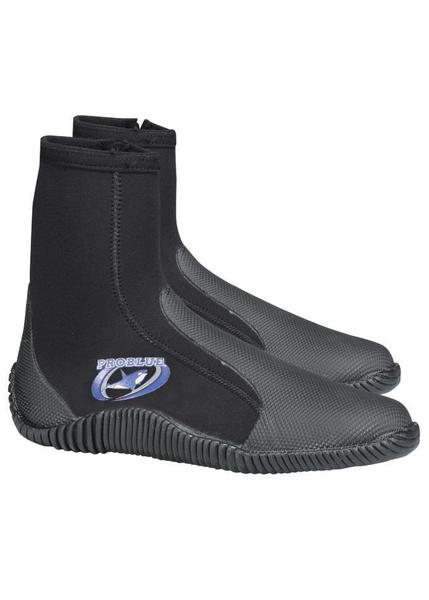
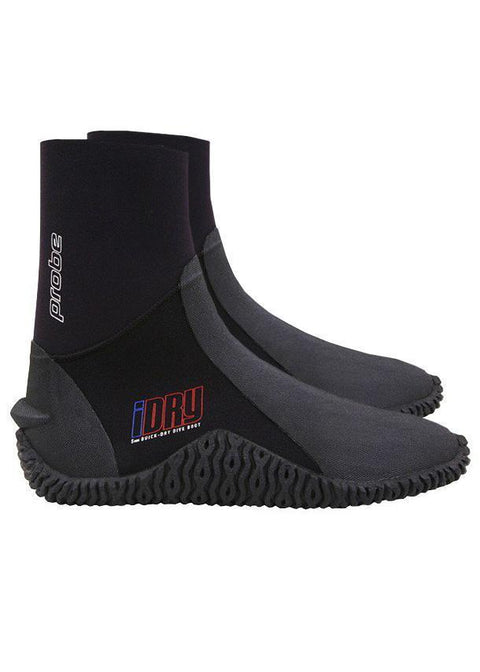
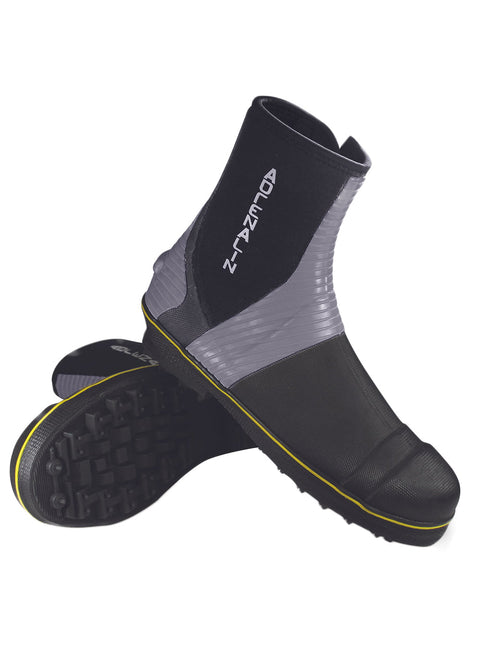
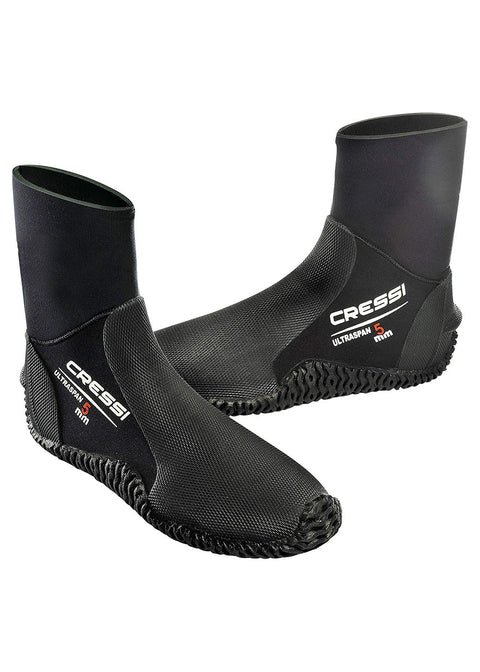
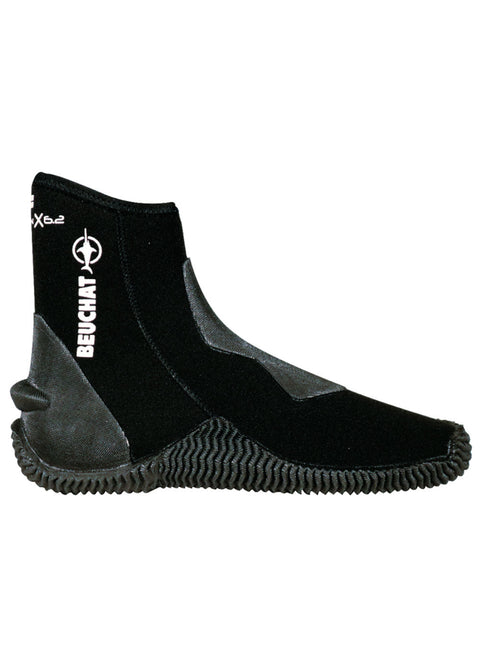
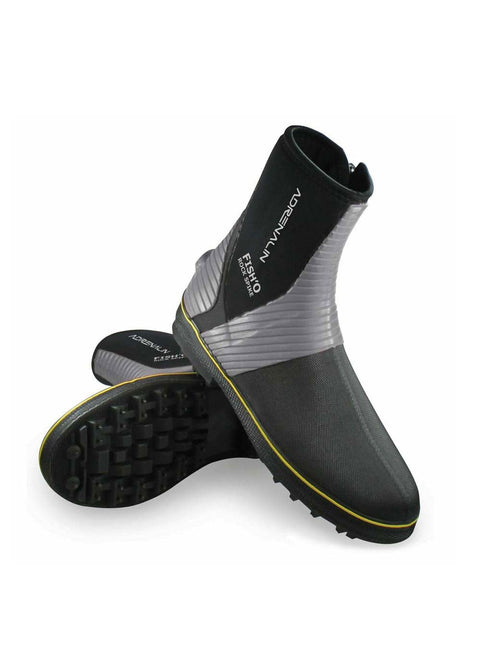
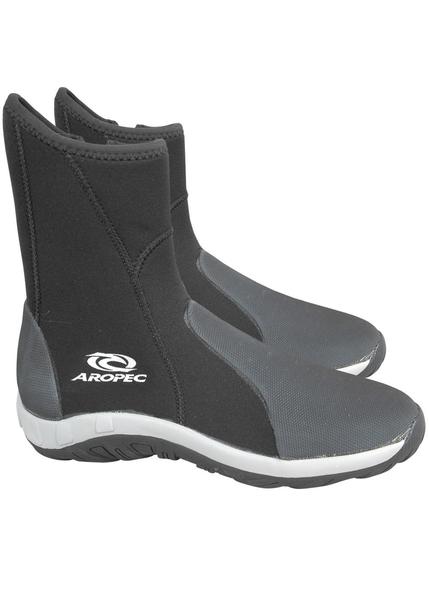
Wetsuit Boots go on your feet, that is for sure, but there are three different applications that require boots and these are surfing, scuba diving (open-heel flippers) and rock fishing etc. Wetsuit Boots are defined by their neoprene material with a rubberised sole and zip/velcro fasteners. With this in mind, one can begin to understand how a boot becomes specialised for a given activity but to be brief.
All Wetsuit Boots are sized in US Mens - to convert to Womens add 1.5
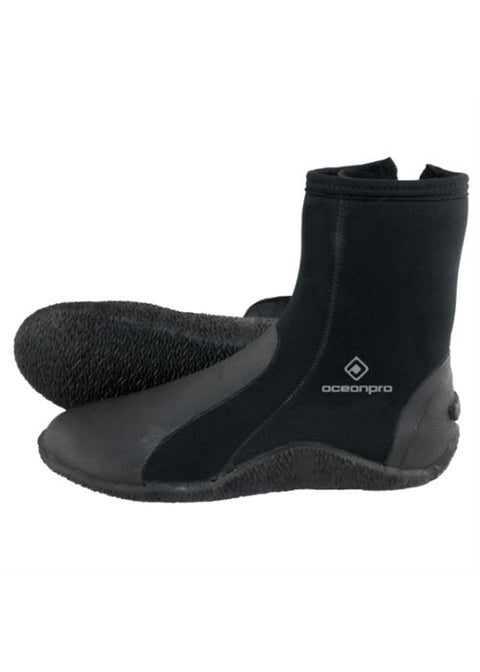
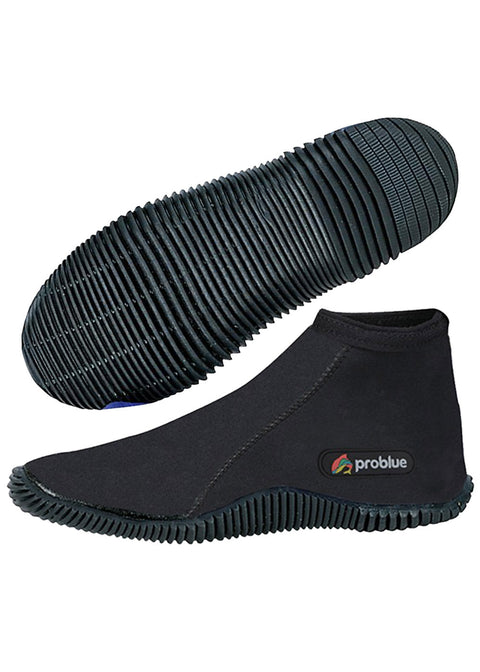
Wetsuit boots have rubberised soles for walking on and using inside open-heel scuba diving flippers whereas wetsuit socks are usually just neoprene, or neoprene with a thin elastomer or Supratex to improve durability and grip. We've gone into more detail on specifics below.
Surf Booties have a rubberised sole designed to be warm and flexible but with a very snug fit so you don't lose board feel.
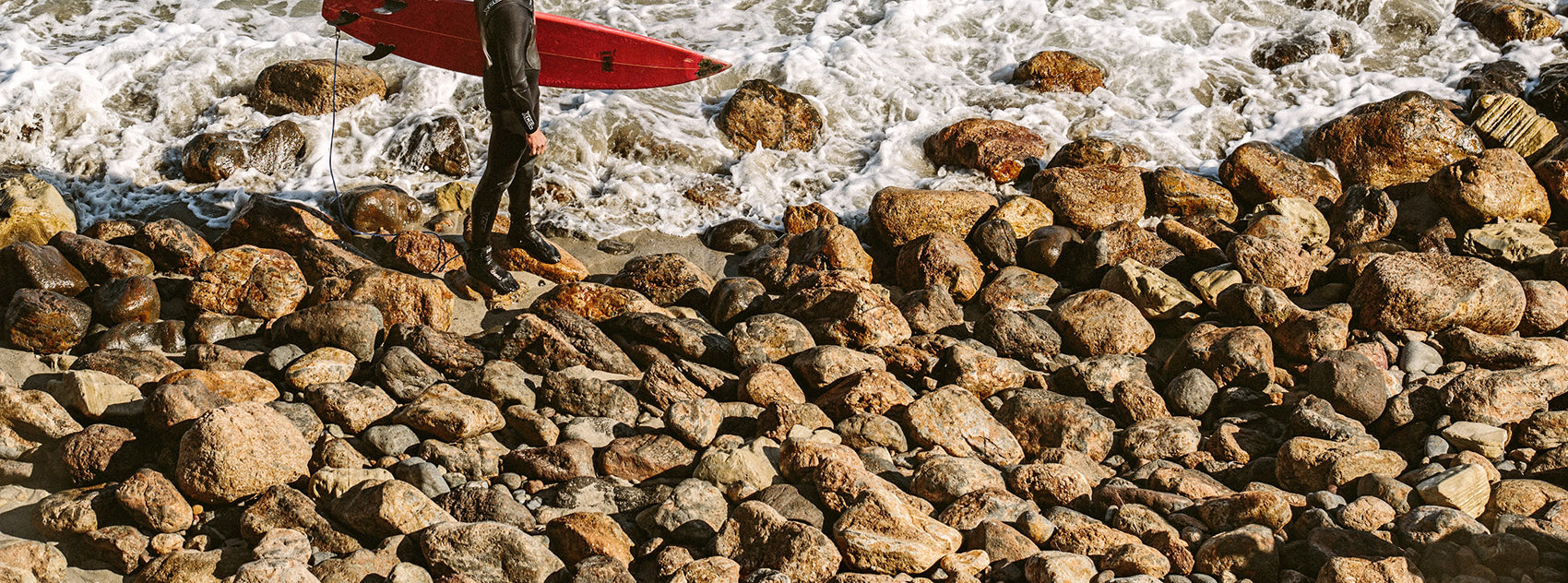
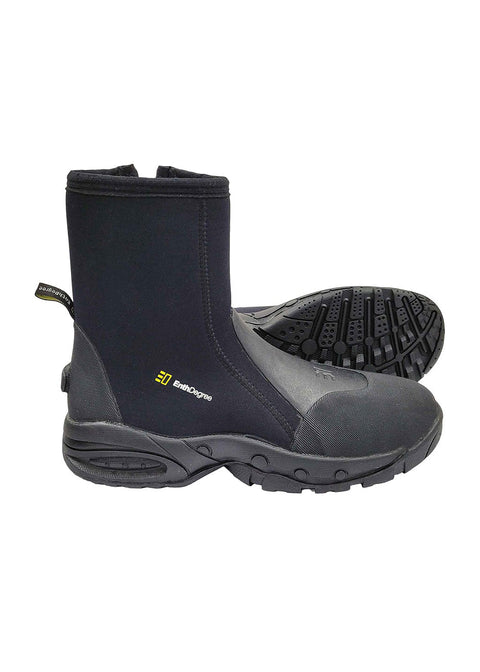
Rock Hoppers/Fishing boots, or water shoes, are designed to protect your feet from sharp rocks and retain heat but as a result, they are not very flexible. Low flexibility can aid in rock-hopping by giving you more support and spring.
Diving boots are designed to go inside open-heel fins to accommodate for both comfort but protection when you're getting back on the boat. These boots have a sole, much like rockhopper boots, as you want to be able to walk around on the boat or rocky shoreline before/after your scuba dive.